 blog
How Much Should an Interior Painting Estimate Cost?
Last Updated: October 26, 2026
Quick Summary
An interior painting estimate should provide a detailed written breakdown of labor, materials, surface preparation, timeline, and payment terms. According to industry data, the national average interior painting cost is $2,022, with a typical range of $350 to $5,800, though costs vary based on square footage, paint quality, and surface condition.
- Interior painting costs range from $4.70 to $6.75 per square foot for walls and ceilings combined.
- Labor typically costs $30 to $160 per hour depending on contractor experience and local market rates.
- A complete estimate must itemize scope of work, paint specifications, surface preparation, timeline, and warranty in writing.
- A 12x12 room with ceiling should cost between $1,880 to $2,700 at average rates.
- Request estimates from at least three local contractors and compare line items rather than bottom-line price alone.
Table of Contents
- What an Interior Painting Estimate Should Include
- Interior Painting Estimate Pricing Breakdown
- How to Compare Painting Quotes from Multiple Contractors
- Cost to Paint a 12x12 Room and Ceiling: What to Expect
- Interior Painting Estimate Checklist: Questions to Ask a Painting Contractor
- Why Painting Costs Vary: Factors That Affect Your Estimate
- Getting Your Free Interior Painting Estimate
- Frequently Asked Questions
What an Interior Painting Estimate Should Include
An interior painting estimate should break down all costs, labor, materials, and timeline in writing, protecting both you and the contractor with clear expectations upfront.
A complete estimate includes:
- Scope of work: Which rooms, walls, ceilings, trim, and cabinets will be painted
- Paint specifications: Brand, type (flat, eggshell, semi-gloss), and color
- Surface preparation: Patching, sanding, priming, and any repairs needed
- Labor costs: Hourly rate or flat fee, estimated hours, and crew size
- Material costs: Paint, primer, supplies, and equipment rental if applicable
Without these details in writing, you're vulnerable to scope creep, surprise costs, and misaligned expectations.
Interior Painting Estimate Pricing Breakdown
Interior painting costs depend on several factors, but understanding the pricing structure helps you compare quotes fairly. Most contractors quote hourly or per-square-foot rates; a less common method is a flat room rate bundling labor and materials.
According to Homewyse's 2026 cost calculator, the basic cost to paint a home ranges from $4.79 to $9.04 per square foot. However, Facade Colorizer's interior painting cost guide breaks this down further: interior wall painting alone runs $2 to $6 per square foot, while adding trim and ceilings raises the range to $4.70 to $6.75 per square foot.
The national average interior painting cost sits at $2,022, with a typical range of $350 to $5,800, according to Angi's 2026 pricing data. This wide range reflects the reality that no two projects are identical.
Pricing typically splits into three categories:
- Labor: $30 to $160 per hour, depending on contractor experience and local market rates
- Materials: Paint, primer, tape, drop cloths, and brushes typically account for 20-30% of total cost
- Additional services: Cabinet painting, wallpaper removal, or drywall repair add to the base estimate
What Actually Moves the Number
A per-square-foot rate is a starting point, not a quote. The final price is built from variables a good estimator walks through room by room:
- Paintable square footage vs. floor square footage. A 12x12 room has 144 square feet of floor but roughly 400 square feet of paintable surface once you add walls and ceiling. Estimates quoting floor area look cheaper than those quoting paintable area for identical scope, always confirm which number the contractor uses.
- Number of coats. Two coats is the residential standard for a color change; three coats may be needed when going from a dark color to a light one, or when covering a bold existing color. Each additional coat adds labor and roughly 30-40% more paint.
- Surface preparation. Cleaning, filling nail holes, and caulking trim are routine. Patching drywall, sanding glossed surfaces, priming bare drywall, and treating water stains or mildew can add hundreds of dollars per room. Ask whether prep is included or an add-on.
- Paint grade and sheen. Budget flat paint runs $15-$25 per gallon; premium 100% acrylic eggshell or semi-gloss can run $40-$60. Higher-sheen finishes show imperfections more, so they often require more prep.
- Trim, ceilings, and architectural detail. Cutting in around crown molding, wainscoting, window casings, and built-ins is slower than rolling open walls. Detailed rooms commonly price 15-25% higher per square foot than simple box rooms.
Reading the Line Items
When a quote arrives, look for these specific line items rather than a single lump sum:
- Room-by-room paintable square footage
- Coats and paint product (brand, line, and sheen)
- Prep tasks itemized (patch, sand, caulk, prime)
- Trim and ceiling scope called out separately from walls
- Protection and cleanup
- Timeline and crew size
A quote listing these items lets you compare apples to apples. A quote that says only "paint interior, $2,400" forces you to guess what's included, and that's where surprise charges come from.
When comparing estimates, verify what each price includes. One contractor's $2,000 quote might cover walls only, while another's $3,500 quote includes ceilings, trim, and two coats of premium paint, the difference is often scope, not quality.
How to Compare Painting Quotes from Multiple Contractors
Getting multiple quotes is essential, but comparing them requires looking beyond the bottom line. Three estimates that look identical on price may include very different scopes of work.
Request estimates from at least three local painting contractors, asking each for the same detailed breakdown: square footage, paint type, surface prep, timeline, and warranty. Standardizing makes comparison straightforward.
Create a simple comparison table to track key variables:
| Contractor | Total Cost | Labor Rate | Paint Brand | Surface Prep | Timeline | Warranty |
|---|---|---|---|---|---|---|
| Contractor A | $2,200 | $50/hr | Premium | Included | 5 days | 2 years |
| Contractor B | $2,800 | $65/hr | Premium | Extra charge | 3 days | 5 years |
| Contractor C | $1,900 | $40/hr | Standard | Included | 7 days | 1 year |
This format reveals that the cheapest option might use lower-quality paint or skip prep, while the most expensive might include faster service or a longer warranty.
Watch out: unusually low estimates often signal cut corners.
Cost to Paint a 12x12 Room and Ceiling: What to Expect
A 12x12 room with standard 8-foot ceilings is one of the most common projects homeowners tackle, and knowing the typical cost helps you benchmark quotes.
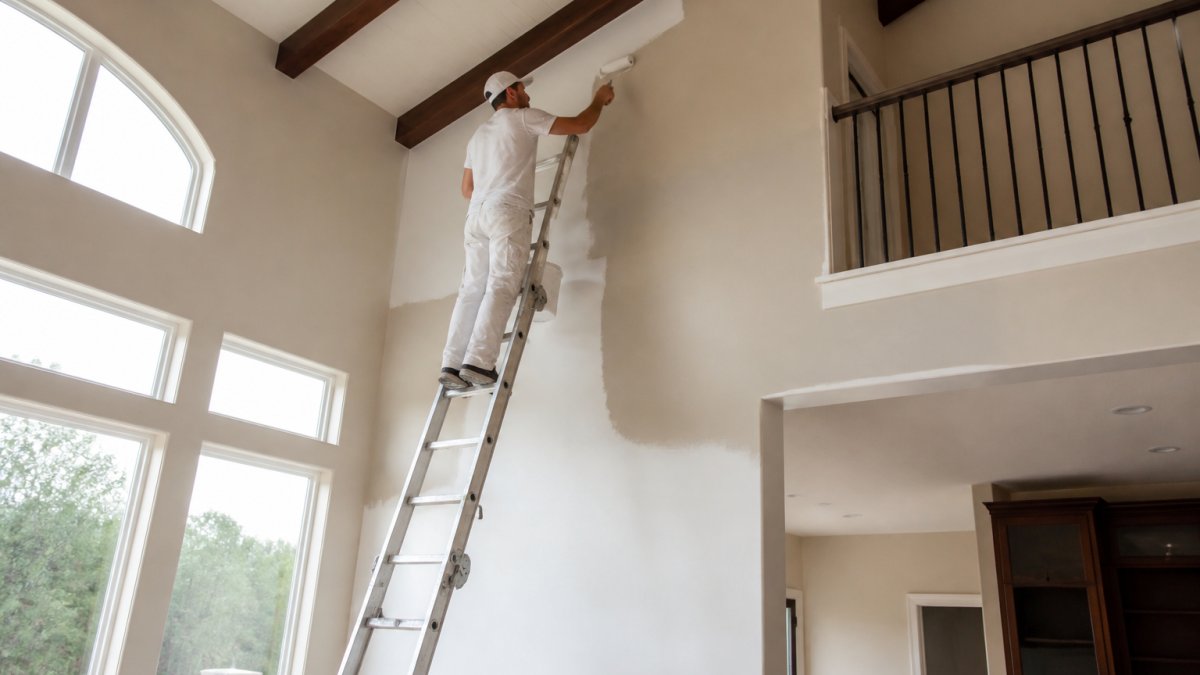
For a 12x12 room with ceiling, assume approximately 400 square feet of paintable surface (walls plus ceiling).
This estimate assumes:
- Standard drywall in good condition
- Two coats of paint
- Interior latex paint (mid-range quality)
- Basic surface preparation (cleaning, filling small holes)
- No wallpaper removal or extensive repairs
If your room has high ceilings, textured walls, or needs drywall repair, costs climb.
For rooms with crown molding, wainscoting, or built-in shelving, expect the per-square-foot rate to rise 15-25% for the added detail work.
Interior Painting Estimate Checklist: Questions to Ask a Painting Contractor
Before signing any contract, ask these questions to ensure the contractor understands your project and has provided a complete estimate.
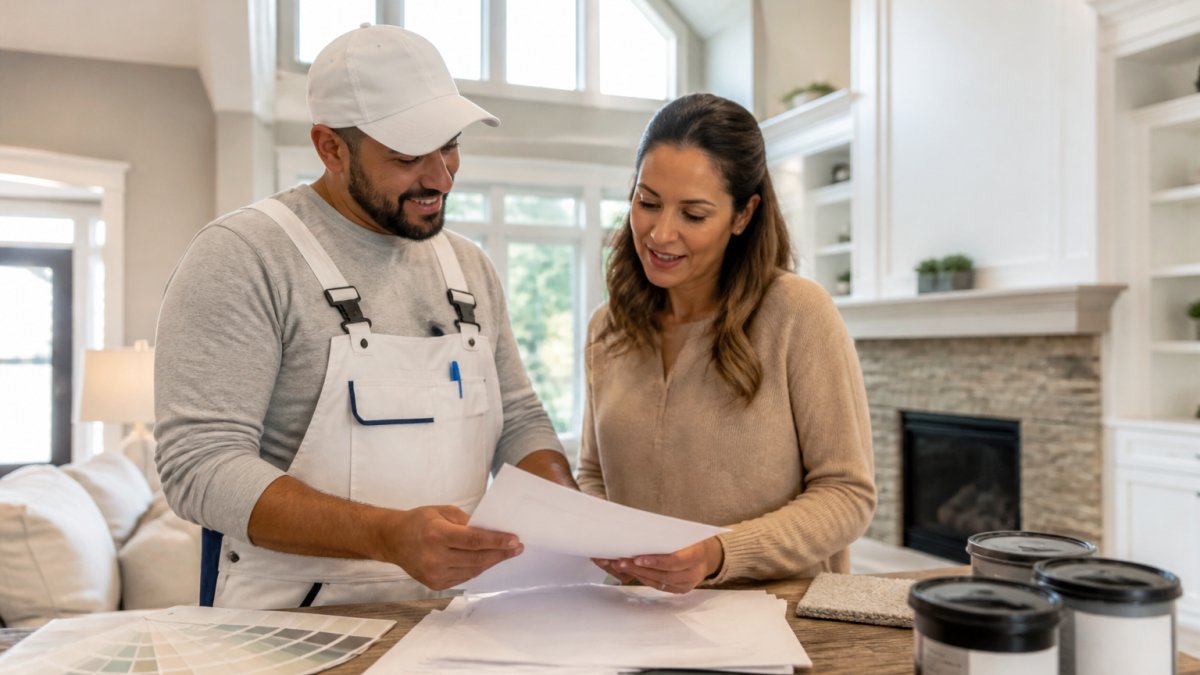
Red Flags and Questions to Ask a Painting Contractor
Ask every contractor these specific questions:
- What's included in surface preparation? Clarify whether they patch holes, sand rough spots, and prime bare drywall or if these are extra charges.
- What brand and type of paint do you recommend? Premium paints cost more upfront but last longer and cover better. Confirm the specific product.
- How many coats of paint are included? Most projects need two coats for even coverage. One coat is rarely sufficient.
- Do you remove furniture and protect floors? Some contractors charge extra for this; others include it. Get it in writing.
- What happens if the project takes longer than estimated? Clarify whether you pay extra or if the estimate covers delays from weather or unforeseen issues.
- Is the estimate binding or an approximation? A binding estimate protects you from surprise bills. An approximation leaves room for cost overruns.
Red flags include contractors who won't provide a written estimate, quote significantly lower than competitors, refuse to answer process questions, or pressure you to decide immediately, behaviors that often precede poor quality or abandoned projects.
Why Painting Costs Vary: Factors That Affect Your Estimate
Interior painting costs aren't one-size-fits-all.
Room size and layout: Larger rooms cost more due to square footage.
Surface condition: Walls in good condition need minimal prep.
Paint quality: Budget paint ($15-$25 per gallon) covers less area and may need three coats. Premium paint ($40-$60 per gallon) covers better, lasts longer, and often needs only two coats, usually cheaper per year of durability.
Ceiling height: Standard 8-foot ceilings are quick to paint.
Trim and architectural details: Simple walls cost less than rooms with crown molding, wainscoting, or built-in cabinets.
Timing: Emergency or rush jobs sometimes carry premium pricing.
Getting Your Free Interior Painting Estimate
The best way to understand what your project will cost is to request free estimates from multiple contractors. The process costs nothing, but the quality of the estimate depends heavily on how well you prepare for the visit.
Before the Estimator Arrives
An in-home estimate is a working session, not a sales pitch. The more information you hand the estimator, the more accurate the quote and the fewer change orders later. Prep checklist:
- Measure each room. Note length, width, and ceiling height. Even rough numbers help the estimator sanity-check paintable square footage.
- List the surfaces you want painted. Walls, ceilings, trim, doors, window casings, baseboards, and cabinets are priced differently. Decide which are in and which are out.
- Photograph problem areas. Water stains, cracks, peeling paint, nail pops, and mildew are the items most likely to become add-on charges. Photos help the estimator price them up front.
- Note any repairs you plan to do yourself. If you are patching drywall or replacing trim before painting, say so, the estimator needs to know what condition the surfaces will be in.
- Pick colors or at least a direction. A color change from dark to light may require an extra coat. Having paint chips or a brand and line in mind lets the estimator price the right product.
- Clear access. Make sure the estimator can reach every room, including closets, stairwells, and the garage if cabinets or doors are being painted. Move furniture away from walls where practical.
What Happens During the Visit
Most reputable contractors provide an in-home estimate free and without obligation. During the visit, the contractor will:
- Inspect the surfaces and assess prep work needed
- Discuss paint options and finishes
- Measure the square footage
- Ask about your timeline and budget
- Provide a written estimate within a few days
Use the visit to observe how the contractor works. Does the estimator measure carefully or eyeball the rooms? Do they point out prep issues you hadn't noticed, or do they gloss over them? Do they explain what is and isn't included? These signals tell you more about the eventual job than the headline price does.
After the Estimates Arrive
When the estimates arrive, compare them using the checklist above. Don't choose based on price alone. The cheapest option often cuts corners on prep, paint quality, or warranty. The most expensive isn't always the best either.
A useful habit is to line up the quotes side by side and mark every line item as "included," "extra," or "not mentioned." The quote with the fewest "not mentioned" items is usually the easiest to live with, because it leaves the least room for surprise charges once work begins.
Request your free estimate today.
Frequently Asked Questions
What should an interior painting estimate include?
A complete interior painting estimate should list the square footage being painted, paint type and quality level, labor costs, prep work (patching, sanding, priming), trim and ceiling work if included, timeline, warranty details, and payment terms. It should also specify whether the estimate covers furniture moving, drop cloth protection, and cleanup. A detailed estimate prevents surprise costs and lets you compare quotes accurately across contractors.
How do I compare painting quotes from different contractors?
Compare quotes by ensuring each one measures the same scope: walls only versus walls plus ceilings and trim, paint quality tier, and prep work included. Check whether quotes are per square foot or hourly. Verify that all estimates cover the same preparation, primer, and number of paint coats. Request references and reviews for each contractor. The lowest bid is not always the best; prioritize contractors with clear, itemized estimates and strong credentials over suspiciously cheap offers.
How much does it cost to paint a 12x12 room and ceiling?
Pricing depends on the project. Call Bella’s Multi Services LLC for a free estimate.
Why do interior painting estimates vary so much between contractors?
Painting estimates can vary based on the project and what work is included. Getting multiple estimates can help you compare proposals for your project.
Getting multiple interior painting estimates gives you control over your project budget and quality. Compare quotes side by side, ask the right questions, and choose a contractor who listens to your needs and backs their work with a solid warranty. Bella's Multi Services LLC handles every detail, from high-ceiling rooms to custom cabinet finishes, so your renovation stays on budget and on schedule.